

市场资讯及洞察
.jpg)
一、罕见的"4票反对":分裂房间里的最后一课
2026年4月29日,鲍威尔主持了他作为主席的最后一次FOMC会议。会议决议本身并不意外——联邦基金利率目标区间维持在3.5%—3.75%,符合市场近100%的预期。但真正震动市场的,是会议投票结果:8票赞成、4票反对,创下自1992年10月以来反对票数量最多的纪录。
这4张反对票呈现出戏剧性的"双向分裂"。被视为特朗普代言人的理事米兰投反对票,主张立即降息25个基点;而克利夫兰联储主席贝丝·哈马克、明尼阿波利斯联储主席尼尔·卡什卡里和达拉斯联储主席洛里·洛根则站在另一端,反对在声明中保留宽松倾向措辞。有财经记者尖锐地指出,本次决议暴露的不仅是政策分歧,更是美联储内部对未来路径的根本性分歧。
更具历史意义的是,鲍威尔在新闻发布会末尾留下了那句意味深长的告别——"非常感谢大家,下次不再见。"5月15日,他的主席任期将正式结束,由特朗普提名的凯文·沃什接任。但鲍威尔宣布将继续留任理事,"任期时长待定",此举将使继任者沃什的政策推进面临更复杂的委员会票数博弈。
二、PCE数据爆表:通胀回归"3字头"的警报
会议次日公布的PCE数据为美联储的鹰派立场提供了支撑,也将其困境暴露无遗。
3月PCE物价指数同比从2月的2.8%大幅跃升至3.5%;剔除食品和能源后的核心PCE通胀率从3.0%上升至3.2%——这是自2023年11月以来的最高水平。从1月核心PCE的3.1%,到3月的3.2%,再叠加整体PCE的3.5%,美联储2%的通胀目标已经渐行渐远。
通胀压力的来源结构正在发生根本性变化。一方面是2025年4月以来关税政策的滞后效应持续渗透至商品价格;另一方面,更直接的冲击来自2月底美国和以色列对伊朗发动军事行动后的能源价格飙升——汽油平均价格上涨约44%,WTI原油结算价单日大涨6.95%至106.88美元/桶,布伦特原油升至118.03美元/桶。鲍威尔在新闻发布会上承认,"高企的油价将在短期内推高整体通胀",并坦言美联储正在研究"关税只产生一次性价格影响"的假设。
三、GDP的"虚强实弱":增长引擎的结构性隐忧
与通胀数据同日公布的Q1GDP数据则呈现出"虚强实弱"的特征。第一季度实际GDP年化增长2%,较2025年Q4政府停摆拖累下的0.5%大幅反弹,但仍低于市场普遍预期的2.2%—2.3%。
拆解GDP构成可见三大特征:第一,消费支出增长1.6%,较Q4的1.9%继续放缓,反映出油价飙升和密歇根大学消费者信心指数跌至历史最低点的影响;第二,出口增长近13%(几乎全部由货物运输驱动),延续了2025年以来"抢出口"扭曲常态化的特征;第三,最值得关注的是非住宅固定投资增长10.4%,知识产权和设备支出尤为强劲——这背后是AI数据中心建设的"无止境需求"。鲍威尔在记者会上特别强调:"全美各地对数据中心的需求似乎永无止境"。
但这种"AI驱动+净出口扭曲+消费降温"的增长结构存在脆弱性。一旦AI投资周期出现拐点(如英特尔大跌17%所暗示的),或地缘冲突进一步升级压制消费,增长引擎可能快速失速。
四、政策路径:滞胀逻辑下的降息门槛抬升
综合三组信号——分裂的美联储、3.2%的核心PCE、2%的GDP增速——可以勾勒出货币政策的新框架:美联储正从"何时降息"的讨论,转向"是加息还是降息"。
对市场而言,这意味着三重压力:美元指数重回100上方对非美资产构成压制;美债收益率高位震荡延长"高利率长周期";风险资产的估值锚正在重新校准。
五、大类资产展望:股市、黄金、数字货币的三种命运
股市:AI叙事支撑下的"高位结构市"。 标普500、纳指在4月中旬连创新高,纳指100一度录得12连涨,但本次议息会议后美股反应分化——道指连续5个交易日下跌,标普微跌、纳指微涨,英伟达、微软等科技龙头跌超1%。这种分化揭示了市场的真实状态:AI数据中心建设的"永无止境需求"仍是核心引擎,但高利率环境下估值容忍度下降,叠加四大科技巨头财报的"AI验证时刻",资金正从无差别上涨转向严苛的业绩兑现筛选。
黄金:长期牛市未变,短期需警惕"滞胀对冲"与"获利了结"的拉锯。多空逻辑非常清晰:多头逻辑——核心PCE回到3.2%、地缘冲突未解、各国央行持续购金、美元信用受质疑;空头逻辑——美联储降息预期持续推迟、实际利率维持高位、黄金ETF高位出现净流出。机构展望分歧明显:高盛预测年底4900美元,摩根大通看到5055美元并维持2028年6000美元长期目标,但麦格理保守预测2026年均价仅4323美元。对普通投资者而言,黄金作为"滞胀对冲+央行去美元化"的中长期配置逻辑依然成立。
六、结语:货币政策的"历史性十字路口"
鲍威尔八年任期落幕,留下的是一份功过交织的账单——月均失业率4.6%创历史佳绩,但任内平均通胀3.09%远超2%目标。他的继任者沃什将接手一个更为复杂的局面:通胀粘性、地缘冲突、增长结构性脆弱、委员会内部的撕裂。在这个"供给冲击常态化"的新世界里,传统的需求管理框架正面临深刻挑战,资产配置的核心命题已从"押注降息节奏"转向"在滞胀阴影下寻找现金流和稀缺性"——这或许是鲍威尔留给市场最深刻的启示。


Gold has finally seen some respite in its price after it fell to 12-month lows. With slowing growth forecasts being a key reason as to the drop in price. Recessionary fears can sometimes be good for the price as volatility draws money to gold as it is seen as a haven.
However, with the USD being so strong and investors pulling their money away from Gold, the commodity has struggled to protect its value. The price has shown some interesting action in recent days. The weekly price was able to break through its long terms support at about $1690.
However, as this level was so significant, the price is now retesting zone. In addition, the price has bounced off the 200-week moving average. The 200-week moving average is often seen as an extremely strong support level and rarely gets broken without significant resistance and then combined with the support zone has proven difficult to break down through.
However, the price is no sure thing to continue to bounce. As seen on the chart, the price is also in a consistent downward channel and has so far failed to break through the top of the channel. The daily chart confirms the bounce and shows why the price may have found resistance.
This is because it is currently resting below the 50-day moving average which is acting as long-term resistance and has acted as resistance since May 2022. The question remains, will the price remain at its current level, push up or push down. As more economic data comes out and Central banks either double down on inflation or pivot towards easing interest rates which will hopefully provide some more clarity on which way the price may go.
At this stage it would be best to wait for a confirmation either to the downside or upside of the channel.

热门话题
欧洲的冬天快到了。在今年的9月26日,由俄罗斯向德国进行输送能源的北溪系类的天然气管道,北溪一号和二号发生了爆炸,导致了天然气的大量泄漏,这样一来,导致欧罗斯到欧洲的天然气运输出现了巨大障碍。爆炸发生之后,多个国家发表声明,这次的爆炸是人为造成的。此次的北溪天然气管道遭受了不可想象的恐怖主义袭击。

爆炸发生之后,技术人员进行了快速评估,此次爆炸造成的损坏严重,导致其在短期内难以修复。在9月27号,欧洲的天然气价格应声上涨12%。因此此次的泄漏预计将达到一周的时间,那么也就是一两周才有可能进行维修的工作,如果不能尽快修复,那么经过海水的侵蚀,三条受损的管道将无法再次投入运行。此次的泄漏时间也将直接导致超过180千吨的天然气,虽然预计不会造成温室效应,但是也是非常严重的泄露事件。现在已经到了10月份,距离冬天已经就只剩下了几周的时间,欧洲是否能挺过这个冬天呢?在之前的俄乌战争影响下,已经导致了能源危机的发生,在欧洲,天然气价格飙升,创造了历史新高。随着西方国家对俄罗斯的谴责,俄罗斯切断了大多对于欧洲的天然气供应。欧洲为了减轻对于俄罗斯天然气的依赖,其制定了一个存储目标,就是10月1号要达到80%的储气容量。目前,从储气的容量已经达到了89.6%,超过预期,对冬季天然气供应短缺的担忧有所缓解,近期价格有所下降。然而,这个储气仅仅只是为了应对目前消费问题,并不是一个长久之际。如果俄罗斯完全停止天然气的出口,或者天气变得更加寒冷,那么在2023年的3月天然气在欧洲将变成稀缺资源。因此欧盟国家已同意对能源公司的利润征收紧急税,并正在讨论是否需要在一定范围内设定天然气价格上限。其中还同意在电价高峰期强制削减5% 的用电量。根据国际能源署(IEA) 本周发布的一份报告,由于欧洲需求减少10%,预计 2022年全球天然气消费量将下降0.8%。其中就有一个重点,欧洲,到底有多依赖天然气?事实上,欧洲大陆非常依赖天然气进行发电,运输,还有供暖。在2021 年,欧洲 76%的能源是通过燃烧化石燃料产生的——天然气(34%)、石油(31%)和煤炭(11%)。
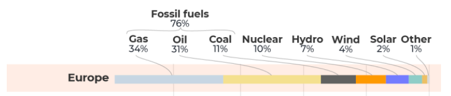
(Source:Statistical Review of World Energy)白俄罗斯是欧洲最依赖天然气的国家,其62% 的能源来自天然气,其次是俄罗斯(54%)、意大利(42%)、英国(40%)和匈牙利(39%)。包括水电、太阳能、风能和生物燃料在内的可再生能源占14%,核能占其余10%。对比非洲大陆,其仅仅只有34%的能源来自燃烧气体。所以,在俄罗斯对于天然气的供应紧缩迫使各国加速寻找替代品。那么现在的储存量怎么样。对比去年同期,储存量增加了15%。大多数的欧盟国家都有着各自的天然气储存设施,主要分布在德国,意大利、法国、荷兰和奥地利。目前德国的天然气储量为92%,法国为 97%,意大利为91%,荷兰为 92%。
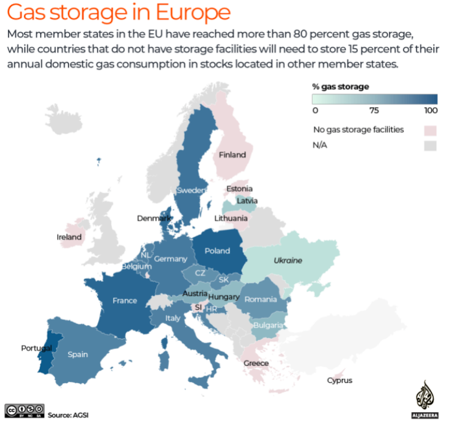
(Source:AGSI)除了应对储气挑战之外,几个欧盟国家还制定数十亿美元补贴的紧急措施,以应对飞涨的能源价格。因此,无论是俄乌战争,还是北溪设备遭到的破坏,都使得欧洲能源危机更加严峻。如果俄罗斯断供,需求不减的情况下,明年2月,欧洲天然气储存将不足20%。看来这个冬天,欧洲可能真的,会“更冷一些”。免责声明:GO Markets分析师或外部发言人提供的信息基于其独立分析或个人经验。所表达的观点或交易风格仅代表其个人;并不代表GO Markets的观点或立场。联系方式:墨尔本 03 8658 0603悉尼 02 9188 0418中国地区(中文) 400 120 8537中国地区(英文) +248 4 671 903作者:Neo Yuan | GO Markets 助理分析师

热门话题
背景介绍:当下,通胀高企与快速加息的环境下,科技股不被市场所看好,近期我们也多以介绍防守型的股票为主。但是随着科技股的整体大跌,部分股票也出现了被低估的情况。投资者们也可以做好准备,进行适当的布局,在低点抄底。毕竟,衰退与高通胀不会永远持续,科技股的寒冬总过去,但下一个机会可能是在下一个7-10 年的周期。今天,我们就先来介绍一家备受关注的科技金融公司Block。

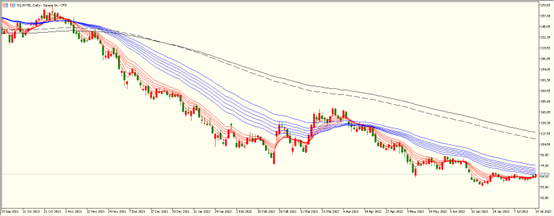
股价:69.25上市时间:2005-05-16市值:40.2B52 周价格范围:$56.01 - $289.23行业:科技-软件-基础设施股息率:N/A公司简介:我们上一次谈到Block 是在一年前,那时它还叫Square。这个更名虽然被很多分析师所诟病,但体现出了SQ 对自身的未来规划,即“Block by Block”。SQ 的产品范围广,很难用一句话概括,其比较成熟的两个核心产品为Square 和Cash,这两个产品旨在建立一个双向数字支付生态系统。除此之外,Block 还有TIDAL,数字音乐平台; TBD,一个去中心化的交易所;Spiral,主要做Bitcoin 硬件,随着更名,产品也越来越突出。其创始人Jack Dorsey,也是Twitter 的创始人之一在投资者大会上说,Block 的宗旨就是建立一个生态系统的生态系统网络,“Ecosystems of Ecosystems” 。换言之,Block 并非要销售一个或几个产品,而是建立一个生态网络,可以不断地扩充和延展。同时,Jack Dorsey 是一个科技迷,其对Blockchain 和Bitcoin 都很有兴趣,很多人认为SQ 的更名也跟此有关。作为科技股中的软件公司,SQ 在2020 年中旬开始连续攀升至275 的高位。然而去年年底SQ 开始下跌,曾一度跌破60 美元的大关。这一方面是受大环境的影响,科技股整体承压;另一方面是Block 持有大量的比特币,受到比特币大跌的压力,SQ 的股价也进一步下跌。有Coinbase 的前车之鉴,投资者不想再押注到比特币相关的公司,因此会有60%的下跌。技术分析:可以看到SQ 的股价自去年下旬开始就一路下跌,并且一直在维加斯通道下方运行,最近一直处于横向震荡阶段。
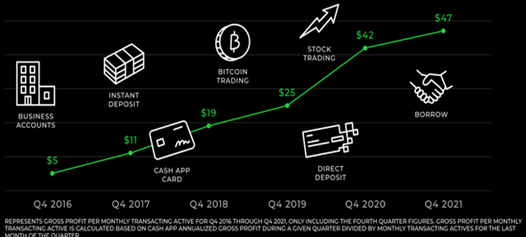
商业模式:SQ的产品包括核心产品:Square,Cash App, 和一些新的产品:Tidal, Afterpay, TBD, Spiral。Square: Square起源于一个想法,就是让每个人的手机都可以成为信用卡读卡机。不久之后,Square发现他们的目标是要帮助商家完成整个销售流程。再后来,Square的目标升级为如何让商家销售出更多的产品。这也就形成了现在的Square生态系统,能够让中小型企业在一个平台上解决所有事情,包括:POS机,工资单,预约,商业银行业务,客户关系管理,电子商务等等。而且,Square还构建了一个应用程序编程接口(API),可以与各种平台轻松对接,比如Facebook, Instagram, QuickBooks等第三方应用程序。Sqaure一开始专注以中小企业,现在其在进军高端市场,接触更多的大型企业。其在这一方面也取得初步的成果,支付总额超过50万的卖家所带来的毛利润相较于15年增加了约19倍。Cash App:2013年, 面向商家的Square生态系统已经初步建立,那面向消费者的系统也该相应地建立起来,也就是现在的Cash App。起初,Cash App仅是让人们可以互相汇款的程序。后来,其逐渐扩大了其业务范围,如下图所示,包括:商业账户,直接存款,借记卡,比特币交易,股票交易,借款,报税方案等。随着功能的增加,Cash App所带来的收入也逐步增加,每个活跃用户所带来的毛利润从16年第四季度的5USD,到2021年第四季度,已经增加到了47USD。
更详细的股评报告,请联系小助手获取。免责声明:GO Markets分析师或外部发言人提供的信息基于其独立分析或个人经验。所表达的观点或交易风格仅代表其个人;并不代表GO Markets的观点或立场。联系方式:墨尔本 03 8658 0603悉尼 02 9188 0418中国地区(中文) 400 120 8537中国地区(英文) +248 4 671 903作者:Jaden Wang | GO Markets 助理分析师

The EURAUD buoyed by a weaker Australian Dollar lighter lighter monetary policy from the Reserve Bank of Australia, (RBA) has seen the currency pair move with some momentum in recent days and weeks. The RBA came out in its most recent meeting and raised rates by an unexpectedly low 25 bps vs 50 bps. This helped equities and housing stability but pushed the AUD to very lows levels.
The Euro on the other hand has suffered with geopolitical conflicts and recessionary pressures that have hit major players in the Union. With Germany in particular suffering quite large inflationary issues putting severe pressure on the EUR. After to dipping to as low as 1.42 AUD in both April and August this year, the pair has been able to move back into the major range that the price has been holding since 2013, excluding the commencement of the pandemic.
Technical Analysis The weekly chart as discussed above highlight that this pair does not usually trend and if it does trend it tends not hold the trend for very long. Rather the price tends to hold a range with breaks of range usually the outcome of extreme economic events such as the GFC or the pandemic before retreating into the range. The weekly chart also indicates that the price may be ready to reverse back up as seen by the double bottom pattern that has formed.
The neckline needs to be broken by the price at 1.54 for the pattern to be confirmed. The question is whilst this price is showing signs of a reversal, the price is sitting just on a significant resistance area. The daily chart shows an interesting case for either a breakout or a breakdown.
Firstly, the price has so far not broken out completely and is still consolidating at the neckline. In addition, the price is overbought to a high level and on previous occasions when it was this overbought, it has fallen back down. However, it is possible that the RSI is also just consolidating and getting ready to breakout.
This chart needs a little bit more time to be sure of a direction, however a potential long target if it breaks out to the long side could be 1.60 and to the short side if it fails could be 1.42. With economic still to flow for both Australia and Europe the EURAUD is definitely one to keep an eye on.

Brexit 23rd June 2016 – the day the people of United Kingdom voted to leave the European Union, it’s a day which will go down in the history and will always be remembered. The margin by which people voted to leave was not big (51.9% voted to leave, 48.1% voted to stay) but it will undoubtedly continue to have a big impact on the United Kingdom, European Union and the global financial markets. What does it mean to the UK economy?
Many leading economists before the referendum had been predicting an instant and significant impact on the UK economy and consumer confidence should the country leave the European Union, but so far, these predictions have not been accurate. Latest figures show that UK gross domestic product (GDP) in volume terms was estimated to have increased by 0.7% between Quarter 3 (July to Sept) 2016 and Quarter 4 (Oct to Dec) 2016, revised up 0.1 percentage points from the preliminary estimate of GDP published on 26 January 2017. Upward revisions (due to later data received) within the manufacturing industries is the main reason (these revisions were first published as part of the Index of Production for December 2016 released on 10 February 2017).
UK GDP growth in Quarter 4 2016 saw a continuation of strong consumer spending which is in line with the Retail Sales Index for Quarter 4, which grew by 1.2% (published on 20 January 2017) and strong growth in the output of the services sector with a notable contribution in consumer-focused industries. In Quarter 4 2016, there has been a slowdown within business investment which fell by 1.0%, driven by subdued growth within the “ICT equipment and other machinery and equipment” assets. Quarterly growth and levels of GDP for the UK source: www.ons.gov.uk Currency The pound fell to a to a 31-year low and was on course for its biggest one-day loss in history on the day the people of Britain voted to leave the European Union in June and has been steadily falling against the dollar since the vote.
When Theresa May announced that the UK would begin formal Brexit negations by the end of March, it did not do much to alleviate the concerns of investors about a ‘hard’ Brexit, negatively impacting Sterling once more. But what is keeping the Pound low? It’s uncertainty, uncertainty of how Brexit will turn out.
A notable portion of participants in the Forex market is made up of speculators and the consensus outlook they hold for a currency sometimes has a significant impact on its overall value, regardless of the impact from companies and individuals looking to move money for practical purposes. GBP/USD since the Brexit vote source: www.tradingview.com It is hard to predict to how, when or if, pound sterling will recover but there are some key things to keep an eye out for. > There could be a strong positive movement for pound sterling if the United Kingdom get a favourable exit deal with the European Union. > The Bank of England is not likely going to cut interest rates any further in the near term or put more money in the economy and that will be viewed as signs of confidence in the UK and will most likely make the pound more attractive. > UK Economic data will continue to have a significant impact on Sterling. If enough data suggests that the United Kingdom is in a strong position going into Brexit, for example if companies are continuing to hire and invest in the British economy and not planning to relocate to other EU countries, we should see renewed optimism in Sterling.
Meanwhile, stock markets have been strong since the Brexit vote. The FTSE100 closed at a record high at the end of 2016, up 14.4% during the year. FTSE100 since the Brexit vote Source: www.tradingview.com Key dates this month worth noting in the diary: Tuesday March 7 Deadline to pass the Brexit Bill - The May government wants the Lords to approve the Brexit bill by Tuesday March 7.
It will then need royal assent to become law. Thursday March 9 and Friday March 10 EU Summit: Should the bill pass in time, British Prime Minister May could decide to trigger Article 50 in Brussels. Friday March 31 The Prime Minister has publicly said that she plans to trigger Article 50 by the end of March 2017.
Triggering Article 50 will be followed by the arduous two-year process of the UK's break up with the EU.

热门话题
美联储:叫地主!澳联储:不抢
昨天,澳联储公布了最新的利率决议,加息25个基点,将现金利率提高至2.60%,低于市场预期的50个基点,这也是澳联储继连续3次50个基点的加息之后,首次减缓加息幅度。在美国快节奏大力度的强势加息政策下,澳联储跟不起了。
澳联储主席罗威在会议中声明,目前澳大利亚的经济继续稳健增长,劳动力市场非常紧张,许多公司在招聘工人方面遇到了困难,8月份的失业率为3.5%,约为进50年来的最低水平,并且,职位空缺和招聘广告都处于非常高的水平,这表明在未来的几个月内,失业率将进一步下降;物价稳定是经济发展的先决条件,因此澳联储的首要任务是将通胀控制在2%-3%的范围之内,预计在未来的一段时间之内,澳联储将进一步提高利率,这是使通胀回落的必要条件,澳联储仍然坚定决心将通胀恢复到目标水平,并将采取必要措施实现这一目标。从这份声明中不难看出澳联储依旧是要加息的,只不过加息的力度可能就此减弱,一方面是澳洲的通胀数据并没有美国那么夸张,再有就是澳洲的经济实力也不允许像美国那样的加息力度和频率。或许此次议息会议将会是澳联储加息进程的转折点,加息力度开始放缓。这突如其来的好消息让澳洲股市几乎全线上涨,涨幅最夸张的当属锂矿股,CXO上涨近12%,LRS涨超过14%,四大银行股平均涨幅也都超过了4%,其中ANZ涨幅最大,达4.96%。这其实也解释了很多朋友的一个疑虑,就是加息幅度在50个基点的时候,为什么银行股不涨反跌,反倒是加息力度减小的时候,银行股开始上涨。并不是利率越高,银行的收益越高,在整体货币环境较为宽松的时候,企业的发展是比较容易的,当加息开始放缓时,市场永远是先与政策的,市场就会觉得金融环境在逐渐的放宽,对于未来也更加的乐观,因此,ASX200 收涨2.17%,上涨140多点。

货币方面,澳元兑美元在澳洲加息不及预期后,短线下跌超60个点,但在随后的几个小时内,基本收复了跌幅;美元指数出现了一定的下跌,但在大周期来看,仍然处于上升趋势;截止发稿时,黄金价格站上1700整数关口,美国原油涨至84美元/桶,美元距离110.7-111附近的支撑越来越近。由于近期欧洲局势的不确定性,避险货币在遇到风险事件的时候,很有可能会再次走高,并且结合目前美国的加息周期,美元依旧是有走高的趋势的,短期的回调可以给我们提供一些机场机会,美元指数依旧值得我们关注。免责声明:GO Markets分析师或外部发言人提供的信息基于其独立分析或个人经验。所表达的观点或交易风格仅代表其个人;并不代表GO Markets的观点或立场。联系方式:墨尔本 03 8658 0603悉尼 02 9188 0418中国地区(中文) 400 120 8537中国地区(英文) +248 4 671 903作者:Rick Shao | GO Markets 专业分析师