

市场资讯及洞察
.jpg)
一、罕见的"4票反对":分裂房间里的最后一课
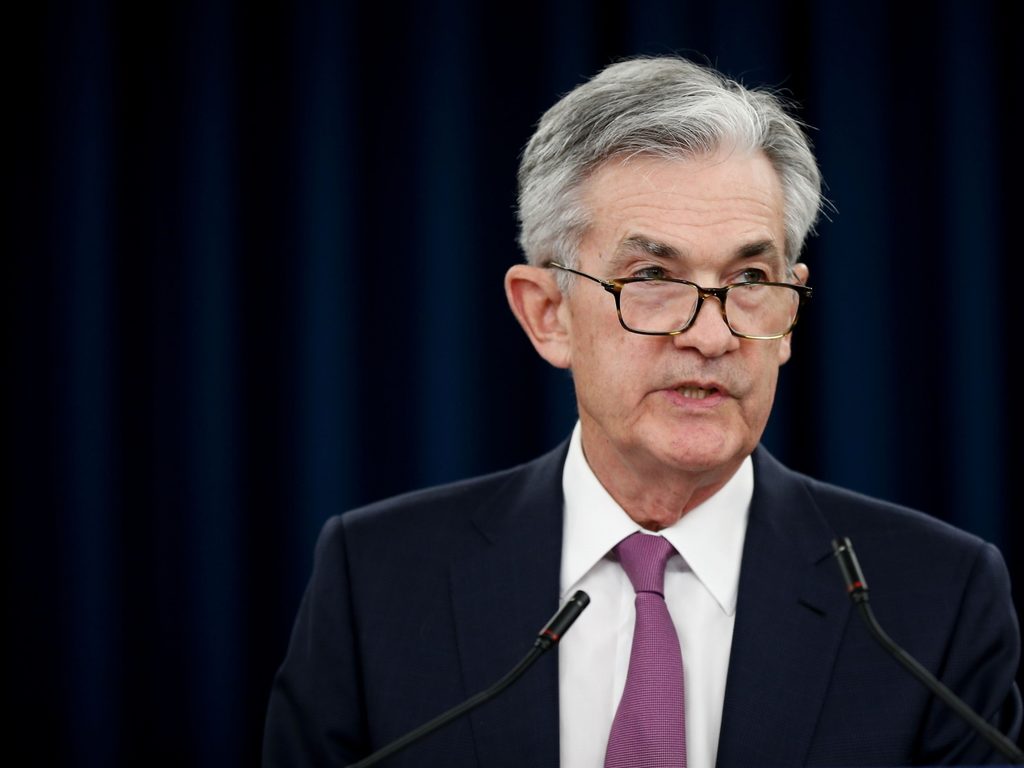
2026年4月29日,鲍威尔主持了他作为主席的最后一次FOMC会议。会议决议本身并不意外——联邦基金利率目标区间维持在3.5%—3.75%,符合市场近100%的预期。但真正震动市场的,是会议投票结果:8票赞成、4票反对,创下自1992年10月以来反对票数量最多的纪录。
这4张反对票呈现出戏剧性的"双向分裂"。被视为特朗普代言人的理事米兰投反对票,主张立即降息25个基点;而克利夫兰联储主席贝丝·哈马克、明尼阿波利斯联储主席尼尔·卡什卡里和达拉斯联储主席洛里·洛根则站在另一端,反对在声明中保留宽松倾向措辞。有财经记者尖锐地指出,本次决议暴露的不仅是政策分歧,更是美联储内部对未来路径的根本性分歧。
更具历史意义的是,鲍威尔在新闻发布会末尾留下了那句意味深长的告别——"非常感谢大家,下次不再见。"5月15日,他的主席任期将正式结束,由特朗普提名的凯文·沃什接任。但鲍威尔宣布将继续留任理事,"任期时长待定",此举将使继任者沃什的政策推进面临更复杂的委员会票数博弈。
二、PCE数据爆表:通胀回归"3字头"的警报
会议次日公布的PCE数据为美联储的鹰派立场提供了支撑,也将其困境暴露无遗。
3月PCE物价指数同比从2月的2.8%大幅跃升至3.5%;剔除食品和能源后的核心PCE通胀率从3.0%上升至3.2%——这是自2023年11月以来的最高水平。从1月核心PCE的3.1%,到3月的3.2%,再叠加整体PCE的3.5%,美联储2%的通胀目标已经渐行渐远。
通胀压力的来源结构正在发生根本性变化。一方面是2025年4月以来关税政策的滞后效应持续渗透至商品价格;另一方面,更直接的冲击来自2月底美国和以色列对伊朗发动军事行动后的能源价格飙升——汽油平均价格上涨约44%,WTI原油结算价单日大涨6.95%至106.88美元/桶,布伦特原油升至118.03美元/桶。鲍威尔在新闻发布会上承认,"高企的油价将在短期内推高整体通胀",并坦言美联储正在研究"关税只产生一次性价格影响"的假设。
三、GDP的"虚强实弱":增长引擎的结构性隐忧
与通胀数据同日公布的Q1GDP数据则呈现出"虚强实弱"的特征。第一季度实际GDP年化增长2%,较2025年Q4政府停摆拖累下的0.5%大幅反弹,但仍低于市场普遍预期的2.2%—2.3%。
拆解GDP构成可见三大特征:第一,消费支出增长1.6%,较Q4的1.9%继续放缓,反映出油价飙升和密歇根大学消费者信心指数跌至历史最低点的影响;第二,出口增长近13%(几乎全部由货物运输驱动),延续了2025年以来"抢出口"扭曲常态化的特征;第三,最值得关注的是非住宅固定投资增长10.4%,知识产权和设备支出尤为强劲——这背后是AI数据中心建设的"无止境需求"。鲍威尔在记者会上特别强调:"全美各地对数据中心的需求似乎永无止境"。
但这种"AI驱动+净出口扭曲+消费降温"的增长结构存在脆弱性。一旦AI投资周期出现拐点(如英特尔大跌17%所暗示的),或地缘冲突进一步升级压制消费,增长引擎可能快速失速。
四、政策路径:滞胀逻辑下的降息门槛抬升
综合三组信号——分裂的美联储、3.2%的核心PCE、2%的GDP增速——可以勾勒出货币政策的新框架:美联储正从"何时降息"的讨论,转向"是加息还是降息"。
对市场而言,这意味着三重压力:美元指数重回100上方对非美资产构成压制;美债收益率高位震荡延长"高利率长周期";风险资产的估值锚正在重新校准。
五、大类资产展望:股市、黄金、数字货币的三种命运
股市:AI叙事支撑下的"高位结构市"。 标普500、纳指在4月中旬连创新高,纳指100一度录得12连涨,但本次议息会议后美股反应分化——道指连续5个交易日下跌,标普微跌、纳指微涨,英伟达、微软等科技龙头跌超1%。这种分化揭示了市场的真实状态:AI数据中心建设的"永无止境需求"仍是核心引擎,但高利率环境下估值容忍度下降,叠加四大科技巨头财报的"AI验证时刻",资金正从无差别上涨转向严苛的业绩兑现筛选。
黄金:长期牛市未变,短期需警惕"滞胀对冲"与"获利了结"的拉锯。多空逻辑非常清晰:多头逻辑——核心PCE回到3.2%、地缘冲突未解、各国央行持续购金、美元信用受质疑;空头逻辑——美联储降息预期持续推迟、实际利率维持高位、黄金ETF高位出现净流出。机构展望分歧明显:高盛预测年底4900美元,摩根大通看到5055美元并维持2028年6000美元长期目标,但麦格理保守预测2026年均价仅4323美元。对普通投资者而言,黄金作为"滞胀对冲+央行去美元化"的中长期配置逻辑依然成立。
六、结语:货币政策的"历史性十字路口"
鲍威尔八年任期落幕,留下的是一份功过交织的账单——月均失业率4.6%创历史佳绩,但任内平均通胀3.09%远超2%目标。他的继任者沃什将接手一个更为复杂的局面:通胀粘性、地缘冲突、增长结构性脆弱、委员会内部的撕裂。在这个"供给冲击常态化"的新世界里,传统的需求管理框架正面临深刻挑战,资产配置的核心命题已从"押注降息节奏"转向"在滞胀阴影下寻找现金流和稀缺性"——这或许是鲍威尔留给市场最深刻的启示。

热门话题
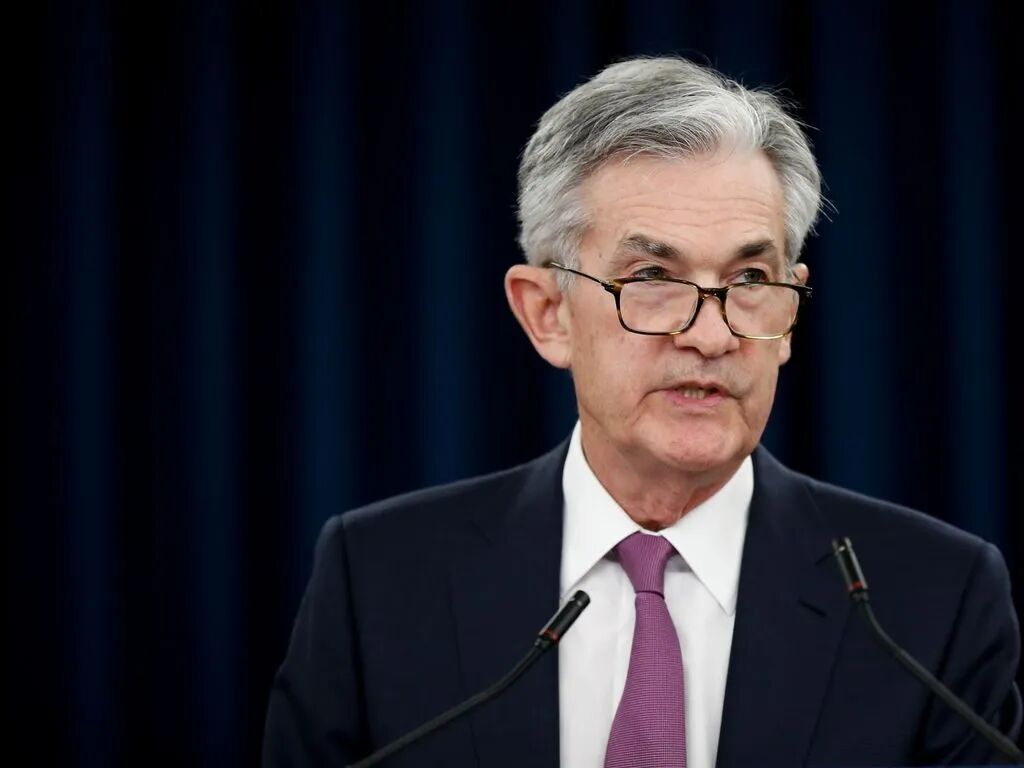
上周道指下跌了4.22%,纳指下跌4.44%,标普下跌4.04%,三大股指周线连续第二周下跌,又是周五一天占了整周的跌幅,继上周分析技术面出现阶段顶以后,美指短期内反转进入下跌行情,这一切无疑是发生在鲍威尔在杰克逊霍尔央行年会上讲话之后,短短十分钟仅一千多字的发言,美盘一万蒸发了上万亿美元的市值。上周其实澳股走势还算不错,ASX200周线收跌0.15%,基本保持平稳,多数矿业股还有一定幅度的上涨,矿业权重股连续的财报利好稳定了整个矿业板块的股价,加上能源价格持续走高,澳股在周五收盘时是依旧十分强势的。但风云突变,市场就是瞬息万变,鲍威尔的发言用十分钟击溃了美股,本周澳股也无疑会深受影响,加上9月初澳联储即将再次加息,本周股市走势变得很不乐观了。
本周也有一些经济数据待公布,周一拼多多财报,周二百度等中概股财报来袭,中美刚刚签署的审计监管合作协议相信将对中概股有很大的提振作用。周二欧元区经济景气指数,德国8月CPI和周三的欧元区8月CPI数据相信都会对疲软的欧元继续造成冲击。周三还会公布加拿大6月季调后的GDP,加元也将短线受到影响,所以本周外汇交易的机会会比较多一些。周四日本公布8月外汇储备,日元稳定性将再次受到检验。周五自然是最重要的美国非农数据,目前预测值为29,远低于前值52.8,同时公布的美国8月失业率也是十分关键,这两者也将决定当晚美股走势。上周五杰克逊霍尔全球央行年会上,鲍威尔仅用十分钟就改变了整个八月的美股走势。鲍威尔的发言其实是符合预期的,在他发言之前舆论媒体已经经过了大肆渲染,普遍认为是鹰派立场,这点我在上周也有说到。但市场预期鲍威尔乘鹰而来,却未曾预料他会顺带扑灭了市场对明年美联储会即时降息的预期。
鲍威尔讲话的内容大概可以概括为以下几点,首先是9月加息规模取决于整体经济数据,即将公布的8月CPI就显得尤为重要了。目前市场预估9月加息75个基点的概率已经超过65%,但这并非造成周五股市暴跌的根本原因。他强调7月通胀数据回落是令人高兴的,但目前还无法确认通胀正在全面下降不会反弹。美联储当务之急是快速把通胀降到2%,历史经验告诫美联储不能有任何松懈,在通胀进入死亡螺旋之前迅速扑灭任何上涨可能。另外鲍威尔还讲到随着政策推进,就业环境可能有所疲软,从而给家庭带来一些消极影响,但这些都是降低通胀过程中需要付出的代价。真正让股市暴跌的原因是鲍威尔肯定了在通胀确定控制到2%之前是不会降息的,这就与市场之前预期明年三月份美联储加息到顶后会快速进入降息周期以恢复经济相违背,因为通胀从目前超过8%下降到2%的漫漫长路不知道何时能够实现,这也加剧了市场看衰目前股市走向。

中美刚刚签署的审计监管合作协议,和美股股指形成鲜明对比的是,该协议将对中概股有很大的提振作用。中美签署审计监管合作协议是开创性的,基本扫平了中概股在美上市的最关键顾虑。首先我们来分析一下中美审计监管合作协议的几大要点:首先确立对等原则,该对等原则需要在法律允许范围内,中方会尽力协助美方完成相关审计工作,这里提到的法律,重点指的当然是中方的法律,因此中方掌握着主动权;其次明确合作范围,自然是在美上市的中概股,但审计底稿需要存放在中国香港,是不会被移交到美国的。再次是明确协作方式,需要提前沟通协调,双方共同参与下获取审计底稿进行审计,这一点简单说就是需要在中方点头后才允许美方在中方监管下进行审计;另外提到的协议签署的目的是为了实现跨境合作,这自然对上市公司有利,并且具有两国双赢的效果;还有审计底稿合作的优势,因为审计对象是中国在美上市公司,但直接审计对象却是会计事务所,无需每年检查,还提到了用特定程序处理敏感内容,还是中方掌握了主动权;最后这一协议最大的好处就是能够使中国在美上市的公司可以避免因为审计无法双通导致财报无法按时披露而被动退市。综合上述几点,自然是大大提升了中概股的投资和发展信心。而在该协议签署前,几大央企中概股的在美存托上市部分都基本已经退市撤离,也不会造成后续审计可能造成的敏感信息泄露,也可谓做足了功课,我们也希望中概股从此真正觅得了一条好的出路。免责声明:GO Markets分析师或外部发言人提供的信息基于其独立分析或个人经验。所表达的观点或交易风格仅代表其个人;并不代表GO Markets的观点或立场。联系方式:墨尔本 03 8658 0603悉尼 02 9188 0418中国地区(中文) 400 120 8537中国地区(英文) +248 4 671 903作者:Xavier Zhang | GO Markets 专业分析师

Wheat Trading Opportunities Wheat is a well-known soft commodity that is vital for any kind of bread product. It also has important uses for the feedstock for cattle which is vital in economies with large agricultural sectors. The supply and demand for wheat can be volatile with changes occurring for a multitude of different reasons.
The most recent spike in price was caused by the Russian and Ukraine Crisis. The soft commodity saw a large spike largely due to the economic sanctions placed on Russia and supply chain pressures that the war caused in Ukraine. Both countries are large exporters of wheat with Ukraine producing about a fifth of the world’s high-grade wheat and 7% of all wheat across the world.
Therefore, the supply shock had a large effect on the supply available driving up the price. Some of the other countries that produce the bulk of the worlds supply include China, the USA, Canada, Australia, and India were able to benefit from the higher prices. A strong USD Like all commodities, wheat is quoted in USD.
This means that when the USD is strong, the price of the commodity becomes weaker because the producer must sell their produce for less. Due to recent market volatility the USD has risen as investors have looked to the USD for safety. This has in turn negatively affected the price of wheat The Price of Oil The price of oil plays a role in the overall price of wheat.
This is because oil is an important input cost for wheat. Oil is needed for both the transportation and the actual farming of wheat. As the price of oil increases the costs must then be offset by the wheat producers who then raise their resale price.
Therefore, when forecasting what the price of wheat may do in the future, assessing the future of the price of oil can be a helpful tool. Emerging economies Countries with developing economies tend to be higher importers and consumers of wheat. In addition, countries in the Middle East and Africa import lots of wheat because they do not have an environment that is conducive to producing wheat.
For instance, in countries in the desert such Egypt where there is little water, and it is exceptionally dry such as Egypt very little wheat is produced. This explains why Egypt is one of the highest exporters of wheat and if the demand from these countries it would likely impact on the overall price. Technical Analysis The price chart of wheat tells an important story.
It can be observed that the wheat futures initially spiked at the beginning of the war in Ukraine as the market reacted to the initial supply shock. The price then moved into a tight consolidation tightly before breaking out towards the highs. However, this breakout failed, and was unable to rise above the key resistance level at $1354.
The price of wheat then entered a downward trending channel where it currently remains. The price has also broken down below the 200 Day Moving Average which does not bode well for bullish moves in the short term. Before this break down, wheat had not fallen substantially below the 200-day moving average since June 2020.
On the other hand, the price is currently sitting in the top half of the channel. The price may be able to break out of the channel to the upside. In addition, it is also sitting in area of long-term support between 750-850 USD.
Wheat Future Contract CFD’s can now be traded on MT5 on GoMarkets platforms

The USA and other Western nations have intimated that they are planning to block Russia's access to its international stockpile of gold. Russia has so far been able to use gold to support the Rubel as a tool to reduce the impact of sanctions. Russia has been able to trade gold assets for more liquid foreign exchange that have not been subject to current sanctions.
Tech stocks continued their momentum overnight as the Nasdaq closed at its highest level since February 9, up 1.93%. Intel was a top performer overnight as it rose 6.94% on reports that it may assist NVIDIA corporation in chip manufacturing. Uber also had a stellar night increasing by 4.96% after it reached an agreement to list NYC taxis on its app.
The Dow Jones closed 1.02% higher as material stocks performed well. The S&P 500 reflected the positive momentum as it closed the day up 1.43%. In Europe, the FTSE had a relatively flat day.
The material sector performed strongly, supporting the index as it closed up 0.09%. The DAX also had a relatively flat day finishing down 0.069%. Commodities Brent Crude oil failed to carry on its rise as it dropped back 2.69% to $118.14.
Although the price is still holding above the $115 level. The gold price saw a mini spike out of its consolidation as it jumped by 0.69% to USD 1957.41. The move can be somewhat attributed to the potential for new sanctions on Russia.
Natural Gas had another bumper day as it rose by 5.81%. The price extended break out as it closed at its three-month highs of $5.464. The USA may be forced to increase its exports to Europe to offset any disruption in supply from Russia.
Cryptocurrency Bitcoin performed solidly overnight. It is currently testing the highs of its recent range and as the BTC/USD approaches the $46,000 resistance level. The pair closed at $44,091, a 2.56% increase, at 22.36 GMT.
Ethereum has kept its strong week going with another 2.59% rise holding the $3118 at 22.42 GMT. The ETH/USD has seen a recent period of consolidation before overnight breaking above the trend line. The JPY continues to be smashed against most other currencies.
The USD/JPY rose by 0.97% to 122.324. The GBP/JPY also saw a huge move moving 0.88% to close at 161.330. The AUD/USD had a mixed day.
Initially, the currency pair sold down, however it recovered later to close at 0.7512. The EUR/USD has seen a settling of its price as Ukraine and Russian conflict has settled. The pair finished trading at 1.0998 USD.

Global indices were choppy overnight, mainly finishing lower on the back of failed peace talks and Russia continued advances in Ukraine. According to reports from the French government, the Russian president Vladimir Putin intends to take the country by any means and that “the worst is to come”. The reports sent the FTSE 100 down 2.57%.
The decline was further aided by the removal of Russian equities from the index. In addition, the DAX followed dropping 2.16%. In the USA the NASDAQ closed down 1.56% as the tech sector saw more selling.
The FANG stocks were all down continuing from what has been a volatile week. The Dow Jones and the SP500 performed a little better but were still up and down during the trading session. Overall, the S&P500 finished down 0.53% and the Dow Jones 0.29% respectively.
Money continues to flow into commodities as pressure is growing for Western countries to ban Russian oil and gas imports. Gold continues to provide strength in the volatile market holding $1936 USD per ounce. Oil touched $119 USD a barrel before tapering to $110.
Nickel was also a strong mover jumping 6% to $27,815 its highest level since April 2011. Wheat continued its rise another 5.46%. Palladium, another commodity in which Russia is a large producer, is also up 3.2% to $2,753.68 by 12.43 GMT.
Palladium is a crucial metal needed by Automakers for catalytic converters to curb emissions. Iron Ore showed some strength increasing by 5.5% to $153USD per tonne. In currencies, the BTC/USD pair lost momentum at $42,541 USD down 3% at 10.45 pm GMT.
Ethereum is also down 4.48% over the last 24 hours. The EUR/USD fell to fresh levels of 1.1032 its lowest level since May 2020. The markets remain volatile and very reactive to news coming out of Europe as the weekend approaches.
US indices had a bumper day of trading as the Federal Reserve increased interest rates by 25 basis points. The Reserve is also expected to raise rates to between 1.75% and 2.00% by the end of the year, with 7 increases expected till the end of 2022. The Federal Reserve made it clear that they are doing their utmost to fight inflation.
Jerome Powell also indicated that the economy shouldn't need to enter into a recession. Whilst the Federal Reserve lowered economic projections for 2022 and increased inflation most of this had already been priced in. The Nasdaq finished the very strong session up 3.77% as tech stocks rebounded after initially selling down on the Federal Reserve’s announcement.
It was supported by the Dow Jones and the S&P500 which were up 1.55% and 2.24% respectively. In Europe, the FTSE had a solid day rising 1.62% and the DAX performed very well increasing by 3.76%. The Chinese stock market both in Hong Kong and on the mainland was also roaring yesterday on the back of a commitment from China’s State Council to sure up and introduce policies to boost its economy.
The CSI 300 index gained 4.3% and the Hang Seng index jumped 9.1%, its largest jump since 2008. This may provide some confidence for the region. Commodities Commodity prices continue their retreat from their highs a few weeks ago.
Brent Crude Oil continues to hover below 100 USD finishing the day at 97.96 USD a drop of 0.74%. Gold was able to hold its support level at 1917 USD per ounce and bounced after initially dropping below 1,900 USD due to the interest rate announcement. Natural gas continues to tighten its price range and increased by 2.80% Cryptocurrency Bitcoin had a high volume buying day as buyers stepped up and the price of BTC/USD increased by 4.83% to 41,202 USD.
Bitcoin remains rangebound however the volume increase indicates attention may be returning. Similar results occurred for Ethereum with the ETH/USD increasing by 5.60% to 2,766 USD. FOREX The USD was weak against most other currencies following the Federal Reserve's announcement.
The AUD had a strong day backed by its commodities moving up 1.29% against the USD. The EUR/USD and GBP/USD both reacted positively to Federal Reserve’s announcement, with them moving up 0.71% and 0.81% respectively. Against the CHF the USD was able to hold up relatively well at the 0.9400 level.
The market will likely continue to react to the news from the Federal Reserve as the week draws to an end.
The US technology sector rose again last night and worked back the losses from the previous day of trading as the market came to grips with the Federal Reserve’s announcement surrounding interest. Tesla was a standout performer and has seen a huge rise in the last week rising more than 20% and rising 7.91% overnight. The Nasdaq moved up 1.95%.
The Dow Jones was slightly weaker as commodities had mixed results, although the index was still up by 0.74% and the S&P 500 finished the session up 1.13%. In Europe, banks and financial stocks helped power the FTSE to a solid day up 0.5% and the DAX ended up 1% with similar strength shown in the financial sector as they look to benefit from rising interest rates. Commodities Commodities saw relatively mixed results across the board.
Gold was down 0.75% to 1920.80 as it continues to consolidate after pulling back from the highs a fortnight ago. Brent Crude Oil fell back 1.59% to USD 114.48. The commodity took a breath after rising 17.89% in the preceding three days.
Natural gas has seen a breakout of its consolidation as it broke above $5.00. The spot price finished up 4.35% at $5.185. Natural Gas daily chart Cryptocurrency Bitcoin had another solid session with the BTC/USD pair at $42,650 at 10.31 pm GMT.
Bitcoin has continued its rally from the previous week which is up a combined total of 12.56%. Ethereum has performed even better with a 4.92 rise overnight and an 18.63% increase over the last two weeks. The price of ETH/USD is currently sitting just above $3000 at $3002.71 at 10.36 pm GMT.
FOREX The AUD/USD has continued its move up. The price has broken out of its channel and is approaching $0.75. The EUR/USD, after selling down early in the day, the price was able to recover and then finish the day up 0.12% at $1.1029 as it continues its rally from the lows of two weeks ago.
The USD/JPY is rocketing along as it approaches its long-term resistance at 125 JPY. Overnight the price broke through 120.00 JPY and closing at 120.092JPY, a 1.08% increase.