

市场资讯及洞察

5 月伊始,联邦基金目标利率区间维持在 3.50% 至 3.75%。美联储刚刚结束了 4 月 28-29 日的议息会议,投资者正进入一个政策真空期,直至 6 月 16-17 日的下一次决议。然而,地缘政治背景远非平静。由于伊朗冲突导致霍尔木兹海峡处于事实上的关闭状态,布伦特原油价格已飙升至每桶 108 美元附近,国际能源署将其描述为“史上最大的能源供应冲击”。
本月的宏观矛盾既直接又令人不安:由能源驱动的通胀脉冲,正撞上 3 月份表现意外强劲的劳动力市场,而第一季度的增长数据却依然疲软。这种带有“滞胀”色彩的组合拳,直接挑战了美联储目前的政策路径。
美联储此前已将 2026 年 PCE 通胀预期上调至 2.7%,并继续暗示年内仅有一次降息,尽管市场对具体的降息时点仍持有异议。由于 5 月没有 FOMC 议息会议,每一项重磅数据的发布都将比往常承载更多的权重,成为投资者博弈 6 月政策走向的关键筹码。
经济增长:业务活动与需求
步入 5 月,经济增长的前景表现不一。第一季度 GDP 初步预览值已于 4 月 30 日公布,而此前疲软的零售销售和库存数据,使得整体需求端的局势变得更加难以捉摸。
ISM 制造业指数一直是乐观情绪的一个低调来源,近期的数值始终维持在扩张区间。然而,逆风的来源正在发生变化:能源成本和关税效应目前是决定业务活动下一步走向的最关键变量。对于那些已经在应对高昂投入成本的企业来说,108 美元的油价与贸易摩擦的结合,将是对企业韧性的一次重大考验。
劳动力:非农与就业数据
4 月的就业形势报告是本月最集中的风险事件之一。尽管 3 月非农数据强于预期,但此前的修正值使得整体趋势显得有些模糊。4 月的数据将起到决定性作用:揭示劳动力市场是在高利率背景下真正实现了“再加速”,还是仅仅在消化季节性噪音。
通胀:CPI、PPI 与 PCE
4 月的通胀数据是本月对市场影响最大的板块。3 月消费者价格指数 (CPI) 同比上涨 3.3%,其中能源成本月度上涨 10.9%,汽油价格飙升 21.2%,贡献了整体涨幅的近四分之三。鉴于布伦特原油在 4 月下旬维持在 105 至 108 美元之间,能源成本进一步传导至 4 月 CPI 几乎已成定局。尽管整体通胀数据引人注目,但核心 CPI 和核心 PCE 依然是研判美联储底层通胀趋势的关键指标。
政策、贸易与企业盈利
由于 5 月没有 FOMC 议息会议,政策关注点将转向美联储官员的讲话以及备受瞩目的领导层更迭。美联储主席杰罗姆·鲍威尔的任期将于本月中旬结束。唐纳德·特朗普总统已提名 凯文·沃什 (Kevin Warsh) 为下一任主席,市场正密切分析其听证会内容,以寻找央行独立性或政策倾向是否会发生转向的蛛丝马迹。
在地缘政治方面,已进入第九周的伊朗冲突仍是最大的宏观尾部风险。霍尔木兹海峡的封锁和停滞不前的美伊谈判为能源价格设定了较高的底部支撑。同时,第一季度财报季进入高峰期,预计 5 月 7 日将是报表发布最密集的一天,市场将重点关注零售和周期性行业如何应对利润率的挤压。
本月核心监控清单
- 美伊谈判: 关注霍尔木兹海峡运行状态的任何进展。
- 美联储语调: 官员在会议间隙期辞令的任何细微转变。
- 盈利质量: 尤其是零售、能源及周期性行业的表现。
- EIA 原油库存: 通过周度数据衡量国内供应缓冲情况。
- 关税公告: 任何可能推高通胀预期的贸易摩擦信号。
核心总结 (Bottom Line)
绝不能因为 5 月没有议息会议就认为这是一个平淡的月份。在 6 月决议之前,非农、CPI、PPI 和 PCE 数据将悉数出炉,而原油依然是主要的外源性冲击。对于市场而言,核心问题在于:我们面对的是一次暂时的能源驱动型通胀上升,还是在增长放缓的同时出现了一个更广泛的系统性通胀问题?这一区别将决定债券、美元、黄金及股指的下一个大级别走势。
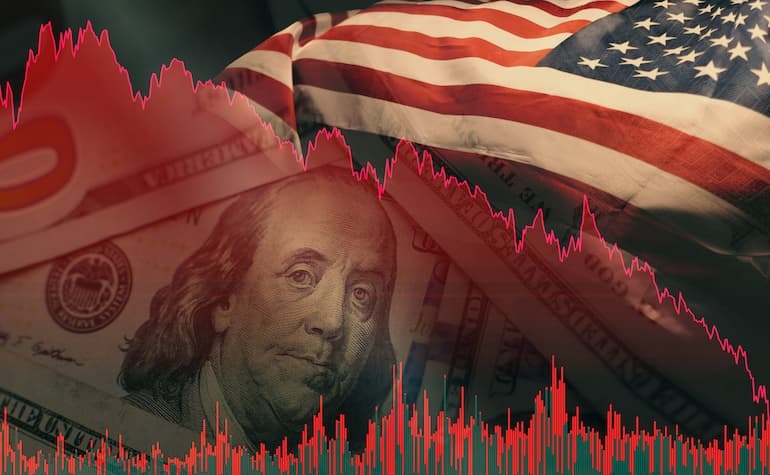

On Thursday last week, the US Federal Reserve met general market expectations by hiking rates by 25bps, taking interest rates in the US to 5.00%. While there was some speculation over a possible slowdown in the rate hikes due to the banking crisis, the decision by the Federal Open Market Committee (FOMC) to hike rates for the ninth consecutive time saw the DXY spike down to test the round number support level of 102. During the press conference, Chair Powell indicated that the FOMC was committed to bringing inflation down to its target level of 2-3% but also warned that there was still significant downside risk to growth.
The DXY consolidated briefly along the 102 key support level but saw a strong correction to the upside toward the end of the week. Currently, the momentum to the upside on the DXY has been halted by the 103.50 resistance level which coincides with a confluence of Fibonacci Retracement levels of 50% in the shorter term and 38.2% from the longer term downtrend. With the US Final GDP q/q and the Core PCE Price index, due to be released this week, with the data expected to signal a slowdown in inflation growth which could reignite the speculation of a slowdown in future rate hikes.
Therefore, if the price maintains below the 103.50 resistance level, the DXY could reverse and continue with the downtrend, to retest the 102 key support level. If the price breaks below 102 the next key support level is at 100.80.

Bank of England Headline February inflation in the UK came at a hotter than expected 10.4%, well above the consensus of a drop to 9.9% and indicating that Januarys dip to 10.1% seems to have been temporary. Unwelcome news for the BoE who have a rate meeting today, before this figure the decision seemed to be on a knife edge, with the markets pricing in a 50-50 chance of a 25bp hike or a hold, those odds have since blown out to make a hike pretty much a done deal with the market pricing in a 90% chance that the BoE will keep the tightening process going. The big change in hike expectations can be seen below, in the Pre CPI vs the Post CPI figures This unsurprisingly saw the GBPUSD rally sharply as the markets repriced the BoE’s actions today, interestingly we can see that the reaction, though a decent move was dwarfed by the volatility seen during and post the FOMC rate decision in this pair.
The UK being a world financial hub means the GBP is especially risk sensitive to financial conditions, whether that is global interest rates, banking stress or threats of global growth slowdowns, the actions of the BoE, while still important have taken a seat to these more macro drivers. With all this in mind the probable 25bp rate hike today will more than likely have a muted first effect on the GBP, the accompanying statement and the voting pattern of the MPC member will be what GBP traders are looking at to get some direction for the session. With the shock of the inflation beat fresh in their minds it’s hard to see the BoE being too dovish but against the current uncertainty in the financial markets I don’t think we’ll see any sustained rally of the GBP after the fact unless there is a real hawkish surprise from the BoE members.
Swiss National Bank Up until recently the SNB meetings have been almost as boring as the Bank of Japan meetings, this has all changed as BoJ the meetings have thrown up surprises and todays SNB against the backdrop of the collapse of Credit Suisse could actually be interesting. The markets are pricing in a 50bp hike from the SNB, despite Swiss banking woes it would be a big surprise if they didn’t go through with this, inflation is rising in Switzerland (jumping unexpectedly to 3.4% last month) and they are a long way behind the curve in respects to other Central Banks with their official rate only sitting at 1%, far behind their peers in Europe and the US. Again the interesting part will be the statement and press conference, where the focus will likely remain on interest rate policy and the banking sector.
CHF may strengthen on the decision but with major support on the USDCHF around the 0.9094 level, any downside on this pair should be limited. The SNB decision is due out at 08:30 GMT with the BoE following at 12:00 GMT
The NZDUSD has been on a decline since the start of February 2023, with the price reversing strongly from the high of 0.6540 ending the previous week bouncing off the 200-day moving average and previous swing low price level of 0.6190. This week, we have the Reserve Bank of New Zealand (RBNZ) due to release their interest rate decision. Current annual inflation in New Zealand stands at a three-decade high of 7.2%, while the quarter-on-quarter data released in January signaled slightly higher than expected CPI growth at 1.4% (Forecast: 1.3%).
This has led the market to anticipate that the RBNZ is likely to hike rates by 50bps, taking rates from 4.25% to 4.75%. If the RBNZ does increase rates by 50bps as expected, this is likely to further strengthen the New Zealand dollar, especially as the NZDUSD had found strong support along the 200-day moving average on Friday. In addition to the interest rate decision possibly driving prices higher, price action on the NZDUSD has also formed a Bullish Regular Divergence with the Relative Strength Index (RSI) at the support level, indicating a further likelihood for the NZDUSD to stage a reversal, to trade higher.
However, for a sustained move to the upside, the price of the NZDUSD would have to break above the near-term resistance area at 0.6270, which also aligns with the 23.60% Fibonacci retracement level. Look for the NZDUSD to rise toward the key resistance and round number level of 0.64, which coincides with the 61.8% Fibonacci retracement level.
After 10 hikes on the trot and what will no doubt be a relief for mortgage holders the RBA held the official cash rate at 3.60%. The rate decision was fully priced in by the futures markets, so no great surprise on the actual decision, it’s the accompanying statement where investors look for clues as to future RBA actions that will set the short to mid-term tone of the FX and Equity markets. The statement did leave the door open for further rate hikes with the line “further tightening of monetary policy may well be needed to ensure that inflation returns to target” indicating to the market to not take for granted that Australian rates have peaked just yet.
Though there was a subtle word change from the previous March statement which traders saw as a dovish sign. Tha March statement said “ will be needed” which has change to “ may well be needed” A small difference, but a huge clue in the arcane skill of deciphering Central Bank communications. The AUDUSD behaved fairly predictably, a knee jerk drop on the actual rate announcement, followed by a step retrace as the machines and humans took few seconds to decide whether the statement was hawkish or not, before deciding on the “not” and seeing the AUDUSD resume its downtrend.
The ASX 200 index saw a mirror reaction to the AUD with the difference being the initial spike was not retraced, showing that equity traders were happy with the RBA taking their foot off the accelerator, even if it just temporary. One thing to remember that the AUD normally trades as a proxy for global growth risk, ebbing and flowing on risk sentiment any moves from this decision could be short lived as other market forces take over.

World’s largest sporting goods company, Nike Inc. (NYSE:NKE) reported fiscal 2023 financial results for its third quarter after the closing bell in the US on Tuesday. Nike beat both revenue and earnings per share (EPS) estimates for the quarter ending February 28, 2023. Revenue reported at $12.4 billion (up by 14% year-over-year) vs. $11.482 billion estimate.
EPS reported at $0.79 per share (down by 9% year-over-year) vs. $0.555 per share expected. CEO commentary "NIKE’s strong results in the third quarter offer continued proof of the success of our Consumer Direct Acceleration strategy," said John Donahoe, CEO of the company said in a press release. "Fueled by compelling product innovation, deep relationships with consumers and a digital advantage that fuels brand momentum, our proven playbook allows us to navigate volatility as we create value and drive long-term growth," Donahoe concluded his statement to investors. Stock reaction The stock rose by 3.64% on Tuesday, trading at $125.50 a share.
Share price fell by around 2% in the after-hours. Stock performance 1 month: +3.72% 3 months: +21.70% Year-to-date: +7.35% 1 year: -5.62% Nike stock price targets Telsey Advisory Group: $138 Redburn Partners: $100 Barclays: $110 Morgan Stanley: $140 Oppenheimer: $150 RBC Capital: $145 Wells Fargo: $146 JP Morgan: $156 HSBC: $125 Nike is the 49 th largest company in the world with a market cap of $194.76 billion. You can trade Nike Inc. (NYSE:NKE) and many other stocks from the NYSE, NASDAQ, HKEX, ASX, LSE and DE with GO Markets as a Share CFD.
Sources: Nike, TradingView, MarketWatch, MetaTrader 5, Benzinga, CompaniesMarketCap

As the banking crisis subside slightly with the news of First Citizens bank’s acquisition of Silicon Valley Bank (SVB), the DXY has reversed from the 103.50 price area, resuming the previous downtrend and currently trades at 102.60. This move lower on the DXY has resulted in the major currencies reversing on the lost ground to gain briefly against the US dollar. The short-term directional bias of the NZDUSD is likely to be driven primarily by the volatility of the DXY as there are no major news events on the near-term horizon for the NZD, with the Reserve Bank of New Zealand (RBNZ) cash rate decision due on 5th April.
The interest rate in New Zealand is currently at 4.75% and the RBNZ had previously indicated that it expects rates to peak at 5.50%, highlighting the possibility for further rate increases at this upcoming meeting. Recent price action on the NZDUSD has seen price trading higher to form higher lows while the MACD oscillator creates progressive lower lows. This movement of price and the indicator has developed into a hidden bullish divergence, which signals further upside potential for the NZDUSD.
Furthermore, the price has also broken through the 0.62 round number level, turning the resistance to a support level. The immediate target level for this bullish divergence could be at the next round number resistance level of 0.63, which was the previous swing high, and beyond that the 0.64 resistance area, which was last tested in February 2023.