

市场资讯及洞察
.jpg)
自GPT点燃人工智能产业浪潮以来,全球资本市场的叙事重心几经转移。从最初的核心算力芯片,到高带宽存储,再到电力与散热基础设施,每一个阶段都有相应的硬件赛道成为市场焦点。而当前,聚光灯正照向一个曾经相对边缘的环节——光通信与光模块。而这轮的炒作也是AI硬件演进至2026年后物理极限倒逼的必然结果。理解这一逻辑,有助于把握当前AI产业链的核心瓶颈所在。
一、算力瓶颈的递进:从“算力荒”到“互联墙”
回顾AI硬件投资的脉络,每一次瓶颈的转移都催生出一批核心受益标的。
2023年:算力荒。 大模型密集发布阶段,最稀缺的资源是算力芯片。英伟达的GPU与掌握CoWoS先进封装产能的台积电,成为产业链的绝对核心。
2024年:内存墙与电力墙。 算力提升后,数据传输速度成为新的制约因素;同时,大规模集群运行带来显著的电力负荷压力。HBM(如SK海力士)和液冷温控(如维谛技术)解决方案因此迎来高速增长。
2025-2026年:互联墙。 这是当前阶段的核心瓶颈。AI算力集群已从万卡级别扩张至十万卡级别,GPU之间的数据交换量呈指数级增长。网络连接一旦拥堵,庞大的算力投资将无法有效释放。如何实现GPU之间的极速互联,便成为光通信产业链成为超级主线的底层逻辑。
二、光模块的核心驱动力:从“按年迭代”到“按月推进”
在超算中心内部,光模块承担着连接GPU的“数据通道”功能。其爆发式增长可归纳为三大核心驱动力:
(一)铜缆的物理极限。 在传统的短距离传输中,铜缆尚可胜任。但在当前800G甚至1.6T的超高传输速率下,铜缆的有效传输距离受到严格限制。在长距高速互联场景中,“光进铜退”已成为不可逆转的技术方向。需要说明的是,在机架内极短距离互联场景下,铜缆方案依然具备成本和低功耗优势,如英伟达GB200 NVL72即采用高速铜缆背板互联方案,铜缆连接数量高达5,184根。不过,随着GPU集群规模的持续扩大,铜缆在高速条件下的传输距离限制日益凸显,光通信方案的重要性正在快速提升。
(二)高速迭代与市场规模跃升。 在传统通信时代,光模块速率从100G提升至400G往往耗时数年。而在AI时代,云厂商直接以订单推动交付节奏。据Lightcounting测算,2026年全球光模块数据通市场规模预计达228亿美元,2026至2030年复合增速约为20%。中金公司指出,2026年全球光模块已进入800G全面普及、1.6T规模商用阶段,头部厂商中际旭创与新易盛已启动1.6T光模块的小批量出货。高端新品订单消化速度较快,叠加硅光方案带来的BOM成本下降,推动相关企业毛利率稳中有升。
(三)硅光子与CPO:技术迭代的下一阶段。 为满足高带宽、低功耗的系统需求,硅光子技术和光电共封装方案正成为产业格局重构的重要方向。银河证券数据显示,2026年800G光模块中硅光方案占比已超过50%,而在1.6T光模块中占比高达70%—80%。传统EML光芯片路线产能集中于海外,受限于磷化铟材料,2026年供给缺口较大,硅光方案成为缓解供应链压力的关键路径。与此同时,中金公司认为CPO已成为推动产业链新一轮升级的核心变量。
三、产业链格局:核心环节的定价权分布
在美股、A股与港股市场中,光通信产业链涉及多个细分环节,掌握核心定价权的公司各有侧重。
(一)美股:底层芯片与关键元器件的供应方
博通(Broadcom -AVGO)。 博通是光模块中DSP(数字信号处理器)芯片的核心供应商之一。高端DSP赛道呈现博通与Marvell双寡头垄断格局,双方凭借深厚的SerDes IP积累和PAM4编解码算法,几乎垄断了头部云厂商的1.6T DSP供应份额。1.6T主流方案中博通200G DSP表现较为突出,其400G DSP已发布上市,技术优势明显。但需注意,DSP先进制程芯片高度依赖台积电先进封装产能,台积电的产能排期直接影响高速光模块的放量节奏。
迈威尔科技(Marvell -MRVL)。 Marvell通过收购Inphi进入DSP市场,是博通在这一领域的主要竞争对手。在1.6T DSP供应格局中,Marvell与博通共同构成双寡头垄断。
Astera Labs(ALAB)。 该公司专注于PCIe Retimer芯片,解决单台服务器内部GPU与CPU之间的数据拥堵问题。其Aries PCIe重定时器产品线已被整合进英伟达Hopper平台,服务于主要美国超大规模数据中心客户。
(二)A股:封装与量产能力的集中地
中际旭创(300308.SZ)。 中际旭创是全球光模块领域的龙头供应商,其核心竞争优势在于新品导入能力和量产良率控制。从产业链动态来看,英伟达、谷歌、微软等全球顶级科技公司均在光通信领域展开积极布局,中际旭创作为核心供应商深度受益于这一趋势。公司800G光模块产品市占率连续两年位居全球第一,硅光技术的渗透率已超过一半。
天孚通信(300394.SZ)。 天孚通信在光器件领域拥有领先的精密封装和集成能力,是全球光器件行业的重要供应商之一。公司1.6T相关光引擎业务持续向好,已实现1.6T光引擎的规模量产。在前沿技术领域,公司前瞻布局CPO配套光器件,储备有高密度多通道FAU、ELS外置光源模组等核心产品,并持续布局硅光等下一代技术路线。
新易盛(300502.SZ)。 新易盛是光模块领域的另一家核心供应商,已具备800G及以上光模块的规模化量产能力,并成功批量交付最新一代1.6T产品。公司正积极推进3.2T、6.4T及12.8T等更高速率产品的研发。
(三)港股和相关企业
鸿腾精密(06088.HK)。 鸿腾精密业务中高速铜缆背板连接方案是机柜内短距离互联的有效路径之一。其增长受益于算力集群内部互联需求,但在光通信核心产品领域布局相对有限,与A股光模块龙头公司的主体业务存在差异。
长光华芯、索尔思光电等。 在EML光芯片领域,国内光芯片企业正在加速突围。长光华芯、索尔思光电具备IDM能力,正快速推进高端EML的送样与量产,成为填补海外供给缺口的重要力量。
四、展望:光通信之后的市场焦点
当光模块环节的认知趋于成熟,AI硬件演进的下一阶段或将引领资本市场的新一轮方向
端侧推理芯片:大模型推理请求若全部依赖云端处理,网络延迟与电力成本将面临较大压力。推进AI向终端迁移、实现本地推理已成为产业共识。端侧推理芯片有望迎来规模化落地的关键窗口期。
先进封装基板: 当前AI芯片封装面积不断扩大、功能复杂度持续提升,已逐步逼近有机基板的物理极限。玻璃基板具备低热膨胀系数、高平整度、低翘曲、高密度布线等优势,有望成为先进封装的下一个关键材料,延续封装密度和集成规模的进一步提升。从技术进展看,英特尔于2026年CES发布了首款采用玻璃核心基板进行量产的Xeon 6+处理器,苹果也已开始测试先进玻璃基板用于AI服务器芯片。台积电正加速推进玻璃基板与FOPLP融合方案,并计划于2026年建成迷你产线。
具身智能硬件: 大模型若缺乏物理交互能力,将无法完全作用于物理世界。当AI开始尝试与环境发生交互时,高精度六维力矩传感器、无框力矩电机、行星滚柱丝杠等机器人核心零部件也将随之迎来大规模资本涌入的重要拐点。
结语
从算力芯片到存储,从散热到互联,AI硬件瓶颈的每一次转移都带来新的投资主线。光通信与光模块作为当前“互联墙”环节的核心受益领域,其产业景气仍处于上行通道。中长期来看,端侧推理、先进封装与具身智能硬件亦是值得关注的方向。


热门话题巴以冲突,恒生跌。巴以冲突,究竟谁对谁错?没有人能够定义。有人说巴勒斯坦不应该伤害以色列人民,也有人说,巴勒斯坦已经快被灭国了,再不反抗就消失了。问题始于百年前,但这百年从来没有过真正的公平与和平。英国于1948年8月1日结束在巴勒斯坦的委任统治,联合国提议在巴勒斯坦的土地上建立两个国家,分别是阿拉伯人的国家和犹太人的国家。阿拉伯国家人口72万人,获得43%的土地。而犹太人人口为1万人,获得巴勒斯坦土地面积的57%。这是不平等的开始。联合国的表决最终在1947年11月29日举行,美国与西欧国家,苏联为首的东欧共产阵营,都在表决中投下赞成票,英国作为托管国以弃权表示中立,中国表示中立,伊斯兰国家及阿拉伯国家则反对议案。第二天,5月15日,阿拉伯国家联合发起对以色列的进攻,引发第一次中东战争。1949年战争结束,阿拉伯人丢失了更多的土地控制权,以色列获得更多的领土。随后,历次战争或者以色列推行的包围策略,使得巴勒斯坦的土地越来越少。巴勒斯坦的生存空间逐渐被压缩,且没有对外展示的话语权。所有主流媒体都被以色列控制,包括巴勒斯坦的用水用电等资源,也被牢牢地把控在以色列手里。到2023年,由于以色列占领对巴勒斯坦经济的影响,四分之一的巴勒斯坦人生活在贫困线以下。以色列的人均收入大约是巴勒斯坦领土的 14 至 15 倍。
从2000年以来,巴以冲突导致的资产价格变化,股市大部分是下跌的,例如标普500下跌幅度一周在1-3%左右。石油价格其实是有涨有跌的,下跌的原因是战争影响了贸易和经济,上涨的原因则是石油可能会减产。美元在大部分时间里都是上涨的。而黄金和铜的价格,则有涨有跌,取决于战事升级的情况。所以,综上,局部地区冲突,对股市的影响是最直接的,也是确定性最高的,就是股票价格下跌。其次是对美元的影响。美元具有避险属性,所以大家会更多的购买持有美元,也导致了贸易货币澳元最近的下跌。再之后是黄金,黄金有一定的避险性,但也取决于美元的表现,通常美元强黄金弱,所以在战事比较轻微的时候,黄金反而不会上涨。总结来说,股市在战事期间,大盘普遍下跌,美国下跌幅度最低,不到1%,日本和香港股市受到负面冲突最大,因为美元会大量流出,其次是欧洲股市,因为距离中东离得近。大宗商品方面,石油有涨有跌,短期看不出来,不过30天以后,石油价格大概率上涨,基本涨幅都超过了10%。天然气大部分时间上涨,均值涨幅超过9%,铁矿石价格下跌,因为经济复苏相对减弱,投资减少。下跌比例较大的是钢材和铝的价格,下跌幅度超过4%。黄金在战争冲突刚升级的时候,是大涨的概率比较高,最多的时候上涨超过20%。但是在7天之后,黄金就涨不动了,并且出现下跌的可能性。我们之前提到过一个不得已的策略,就是买涨美国股指,做空恒生指数。其实在历次战争,恒生的表现都是极差的。比如今年3月份,巴以冲突,标普下跌4.6%,恒生下跌6.2%,进入6月,巴以双方经常擦枪走火,美国股市下跌幅度普遍在1.4%左右,恒生下跌在4%-5%左右。6月以来,恒生累计下跌已经超过10%。
历史上,类似事件对资本市场的影响周期大约是63天。股市具体板块中,在上周五,能源领涨,因油价上涨而上涨 2.3%。公用事业上涨 1%,消费必需品上涨 0.8% 等防御性板块也涨幅居前。由于股市距离冲突地区较远,所以个股不会有特别独特的表现,依旧依附于大宗商品和避险属性等特质波动。总的来说,落后就容易挨打。国家强盛是很重要的。我们希望战争早日结束,但千年的矛盾很难短期化解。对于我们华人投资者来说,可以根据时政变化,及时调整我们的投资组合,避免因为地域危机出现亏损。免责声明:GO Markets分析师或外部发言人提供的信息基于其独立分析或个人经验。所表达的观点或交易风格仅代表其个人;并不代表GO Markets的观点或立场。联系方式:墨尔本 03 8658 0603悉尼 02 9188 0418中国地区(中文) 400 120 8537中国地区(英文) +248 4 671 903作者:Jacky Wang | GO Markets 亚洲投研部主管
Nvidia has been the star of the US markets since the AI hype kicked off late 2022. The trillion-dollar chip manufacturer’s shares have almost tripled in 2023 alone, with the price increasing every month so far this year. In May, Nvidia surprised the markets by posting earnings and revenue figures well above analysts’ expectations.
This sent price rocketing and adding almost $184B USD to the market cap during the following daily session. Nvidia is set to release their Q2 results on Wednesday, so the markets will be watching to see if they have been able to maintain the strong momentum over the past quarter. Markets are estimating earnings of $2.076B and revenue of $11.14B.
Technically, the price has been ranging sideways between $400-$480 since around June 2023. There is a strong support level around $400 that held multiple times in the past few months, so this will be a key level to hold if the earnings on Wednesday are below expectations. If earnings beat expectations, the price could head back north towards the resistance zone at about $470.
Traders will be watching this level to see if there is enough momentum to break through to all- time highs again. With the AI hype cooling off slightly over the past few months, it will be interesting to see how Nvidia performed over the past quarter and if the momentum was sustainable.
In 2022, it was believed that the Bank of Japan (BoJ) intervened three times, in September when the USDJPY was at 145.80, and in October and November when the USDJPY was at the 151.50 and 146.50 price levels respectively. For each of the 3 interventions, the USDJPY reversed strongly by more than 500pips. With the recent steady climb in the USDJPY in August, rising from 138 to the high of 146.50, there have been increasing comments from members of the BoJ and Japanese government regarding the need for an intervention.
The BoJ has avoided interventions, possible for the interim, by announcing increased flexibility on its yield-curve control (YCC). However, the markets viewed the action as insufficient and the stronger DXY continued to take the USDJPY higher. Continued upside on the USDJPY cannot be ruled out, especially if the DXY continues to strengthen significantly.
However, if the USDJPY continues to trade between the 145 and 146.50 price range, the possibility for an intervention from the BoJ increases. For an impactful intervention, the scale and timing of the decision would not be scheduled. A signal would be based on price volatility, in this case, if the USDJPY breaks through the bullish Ichimoku cloud and down from the 145-round number support level, which aligns with the 23.6% Fibonacci retracement level.
A reversal of 500 pips, similar to previous interventions, could see the USDJPY retest the trendline, along the 140 price level, with interim support at the 61.8% Fibonacci retracement and 141.60 price level.
USDJPY briefly pushed above 145 in today’s session before a sharp pullback, with traders wary of recent jawboning from Japanese officials regarding the “one sided” trade in the Yen may be setting the Japanese MoF up for another round on FX intervention that we saw late in 2022. Some sharp moves in the Yen in the last day have had traders speculating the MoF may have already intervened on a small scale but there was no official confirmation of intervention, MoF officials said they have no comment on the matter, but “they are mindful of the one-sided moves”. Looking at a close up of last years price action in the USDJPY may give traders a clue as to what to expect, with minor interventions seeing USDJPY spike lower, only to rise again until a major intervention or surprise policy change sustains a move lower in the cross rate.
This is a fairly predictable scenario from my experience with JPY interventions over the years. Any USDJPY traders would be wise to be familiar with the price action from these previous intervention efforts.
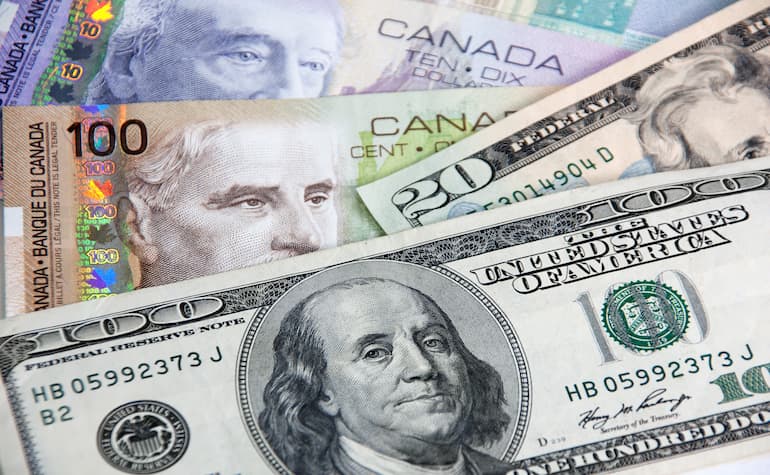
The USD/CAD pair experienced a relatively uneventful session after Bank of Canada (BoC) decided to keep interest rates on hold. However, what caught the attention of traders was the hawkish tone in the central bank's language. Similar to many central banks globally, the BoC is cautious about raising rates further until they thoroughly assess the inflation landscape.
Still, they've left the door open for potential rate hikes in the future. Surprisingly, this hawkish stance from the BoC didn't have a significant impact on the Canadian dollar against the US. The strength of the US dollar remained dominant, keeping the USD/CAD pair relatively flat during the session.
Currently, the pair finds itself at a crucial resistance level, which it has unsuccessfully attempted to breach three times since April. The BoC's hawkish language appears to have halted the pair's upward momentum, preventing a breakout, but wasn’t enough to push the pair south. Since mid-July, the USD/CAD pair has experienced an impressive 4% surge, driven by a resilient US dollar and the US Federal Reserve's commitment to maintaining higher interest rates to combat inflation.
However, from the technical view, a slightly bearish divergence is forming on the daily RSI, indicating the move might be running out of steam and a potential correction could be on the cards. In this high inflation environment, the pair's direction will likely hinge on crucial upcoming data releases in the weeks ahead. In addition to the technical setups, traders should keep a close watch on the fundamentals to help navigate potential shifts in direction.
The US Dollar Index (DXY) has closed its fourth consecutive day in the red, reaching levels last seen in early May 2023. Despite the recent decline, the DXY is coming into support around the 100 level, which has proven to be a resilient bounce point multiple times. However, each bounce appears to be getting smaller, which might indicate growing downward pressure.
This support level adds an interesting dynamic to the market as traders watch for potential price reaction. Todays US CPI print may hold the key to determining the DXY's future trajectory. If the CPI data is reported higher than expected, it could potentially fuel speculation of tighter monetary policy by the Federal Reserve.
In such a scenario, we might see the DXY experiencing a short-term rebound, as higher interest rates tend to attract investors seeking stronger returns. On the other hand, if the CPI data comes in lower than expected, market participants might interpret it as a sign that the US Federal Reserve will maintain its current pause in interest rate hikes during their upcoming FOMC meetings. If that occurs, it could potentially exert downward pressure on the US Dollar.
A more accommodative monetary policy stance may reduce the attractiveness of the USD to investors seeking higher yields, leading to a potential decline in its value against other currencies and potentially sending the DXY below 100 for the first time since early 2022. US CPI will be released at 08:30 EDT, YoY is expected to come in at 3.1%, with MoM expected at 0.3%